
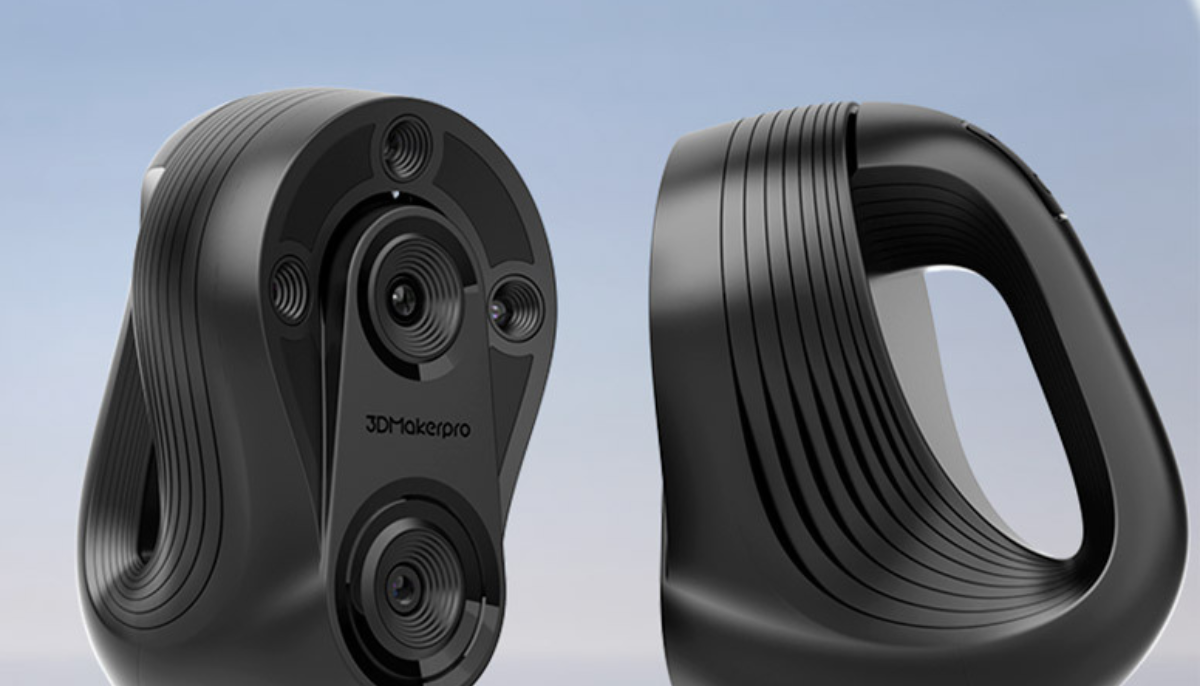
How 3DMakerPro Makes 3D Printing Easier for Beginners and Hobbyists
Getting started with 3D printing is exciting, but it can also feel confusing at first. Between choosing the right printer, understanding materials, and figuring out settings, many beginners worry they will make expensive mistakes before they even print their first model. Hobbyists face similar issues when they want to improve print quality without turning the process into a technical headache.
That is why many makers end up exploring platforms like 3DMakerPro, which focus on simplifying the experience while still supporting creativity and growth.
TL;DR
- 3D printing can feel overwhelming at the beginning
- Beginner friendly equipment makes learning smoother
- The right materials improve results faster
- Simple upgrades help hobbyists level up prints
- 3DMakerPro supports users from first print to advanced projects
Starting Without Feeling Lost
Most beginners do not struggle with creativity. They struggle with setup. Assembly, calibration, and configuration can quickly turn excitement into frustration if the tools are not designed with new users in mind.
A beginner friendly 3D printer should feel approachable from the start. Clear instructions, intuitive controls, and reliable components reduce early setbacks. When the basics work smoothly, learning becomes enjoyable instead of stressful.
This is often what keeps new users motivated long enough to build confidence.

Learning Through Practical Printing
The best way to understand 3D printing is by doing it. Small projects teach important lessons about layer height, infill, and print speed without overwhelming the user.
Many beginners start with simple household items or small figurines. These early successes build trust in the process and encourage experimentation. Over time, hobbyists become more comfortable adjusting settings and trying new materials.
People searching for 3D printing for beginners often discover that progress comes faster when the tools support trial and error rather than punish it.
Why Materials Matter Early On
Filament choice plays a bigger role than many new users expect. Some materials are more forgiving and better suited for learning.
PLA filament is often recommended because it prints at lower temperatures and warps less. Once users feel confident, they might explore PETG for durability or TPU for flexible parts.
Understanding filament basics helps beginners avoid common issues like stringing or poor adhesion. It also makes the printing process feel more predictable.
Helping Hobbyists Improve Without Complexity
After the basics are mastered, many hobbyists want better results. Smoother surfaces, stronger parts, or more detailed prints become the next goals.
This is where thoughtful accessories and upgrades come into play. Improved build plates, upgraded nozzles, or better cooling can noticeably improve print quality without requiring advanced technical knowledge.
Hobbyists interested in improving 3D print quality often look for small changes that make a big difference rather than complete system overhauls.
Supporting Different Creative Goals
Not all 3D printing projects look the same. Some people focus on functional parts, others enjoy artistic models, and many combine both.
A flexible setup supports this variety. Being able to switch materials, adjust settings easily, and maintain consistency across prints gives users freedom to explore different ideas.
This flexibility is especially valuable for hobbyists who print for personal projects, learning, or even small scale selling.
Reducing Frustration Builds Confidence
One of the biggest barriers in 3D printing is frustration. Failed prints waste time and materials, which can discourage users quickly.
Tools and components that reduce failure rates help users stay engaged. When problems do occur, clear troubleshooting paths make them feel manageable rather than mysterious.
Confidence grows when users feel in control instead of guessing.
Growing Skills at Your Own Pace
3D printing is not something you master overnight. It rewards patience and curiosity. Beginners become hobbyists, and hobbyists often become skilled makers through steady practice.
Platforms that support this gradual growth make the journey more enjoyable. They allow users to start simple, improve steadily, and explore new techniques without pressure.
This approach appeals to people who want to enjoy the process as much as the results.
Making 3D Printing Feel Accessible
At its core, 3D printing should feel creative, not intimidating. The right tools remove barriers and let users focus on ideas rather than obstacles.
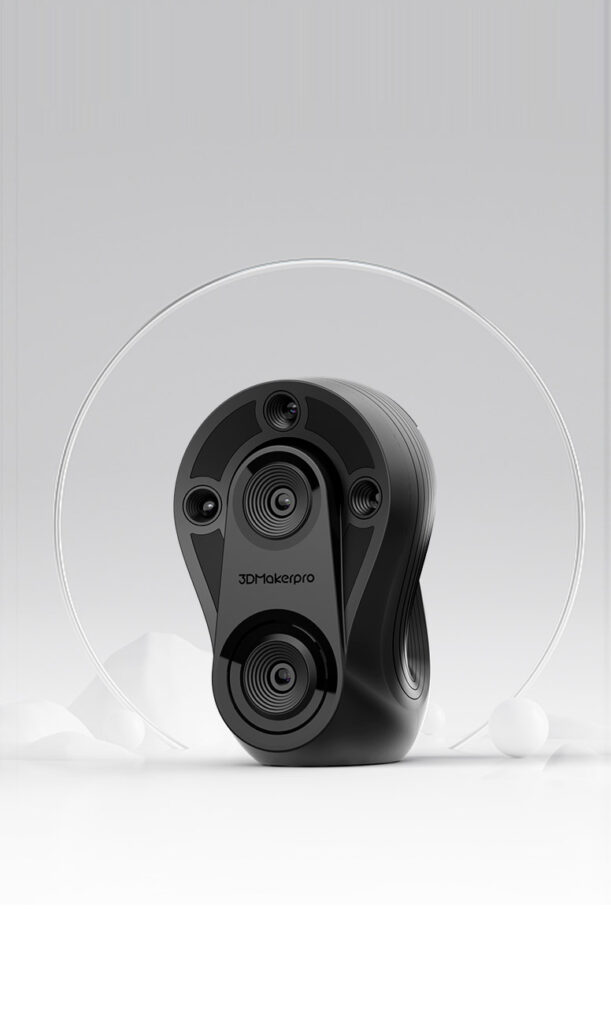
Exploring options from 3DMakerPro often helps beginners and hobbyists see that 3D printing does not have to be complicated to be rewarding. With supportive equipment and practical materials, learning becomes part of the fun.
For anyone curious about turning digital designs into physical objects, an easier starting point can make all the difference.
- Categories:
- Lifestyle